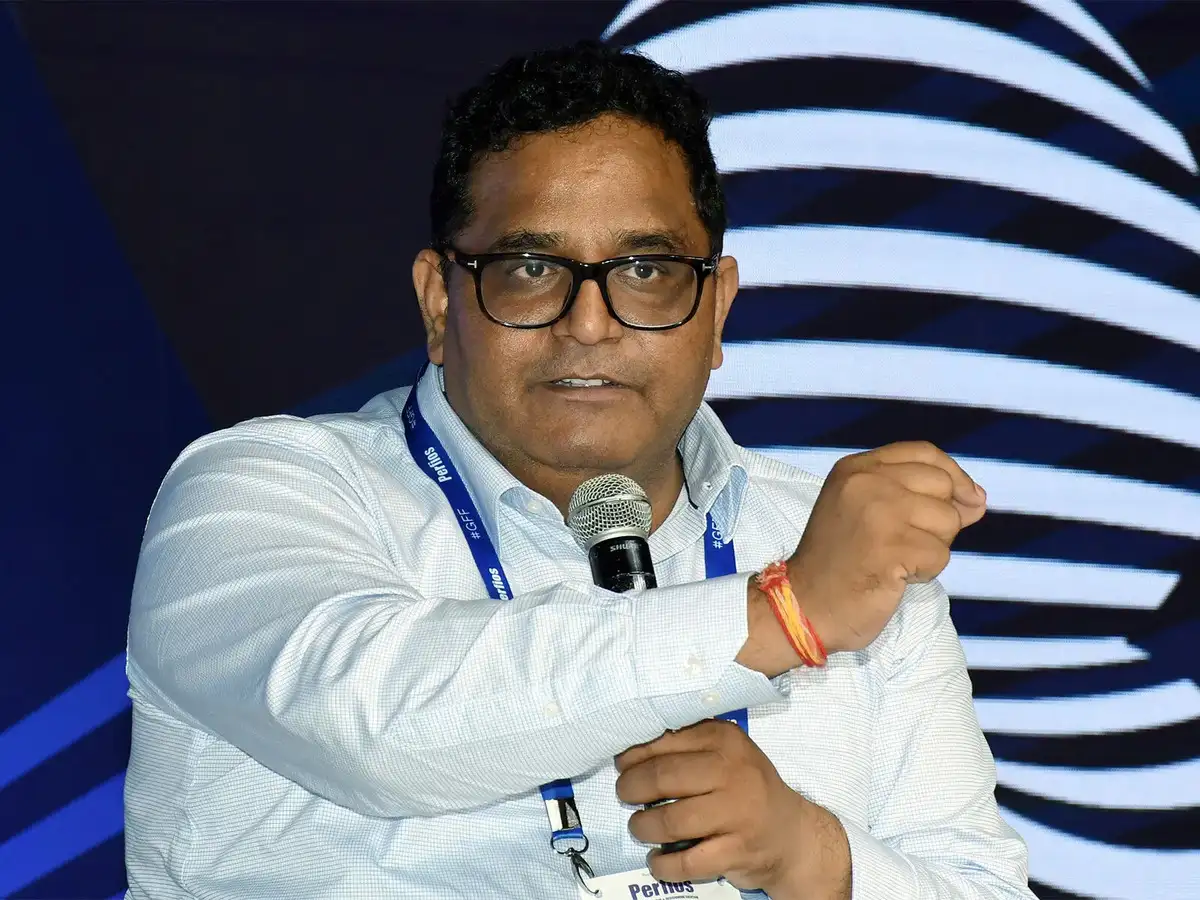
Meta is investing $900 million in CRED and making its founder Kunal Shah the global head of WhatsApp, replacing a seven-year messaging veteran. Who Meta picked tells you more about where the world's largest messaging app is heading than any roadmap would. The man who will run WhatsApp has never run a messaging product. Kunal Shah built FreeCharge, sold it, then built CRED, a members-only app that rewards people for paying their credit-card bills. On 22 June 2026, Meta named him the next global head of WhatsApp, replacing Will Cathcart, who is stepping down after seven years and moving into a new Meta role focused on building products from the ground up. The man he replaces is the opposite of him on paper. Cathcart is a career Meta product executive who ran the world's largest communication service through seven years of scale and regulation. Shah is an external founder whose biggest product, CRED, has around 17 million members. WhatsApp has roughly three billion users. That is not a promotion. It is a category change. So the interesting question is not whether Shah is qualified to run a messaging app. It is why Meta decided the person running WhatsApp next should be a consumer-fintech founder rather than a messaging executive. The answer is the actual news here. Start with the money, because the structure is unusual. Meta is investing roughly $900 million (₹8,550 crore) into CRED for an approximately 20% minority stake, valuing the company at $4.5 billion post-money. CRED has clarified that Meta will have "no access to member data" despite becoming a shareholder. Miten Sampat, one of CRED's senior-most executives, becomes interim CEO. Shah steps back from running CRED but keeps his stake. Meta's own framing of why the investment exists is the most revealing sentence in the entire announcement. Read that plainly. The $900 million is not, in Meta's own telling, primarily a bet on a credit-card rewards app. It is the financial architecture that let Meta extract Kunal Shah's full-time attention without forcing him to abandon the company he built. The investment de-risks his exit. It is, in effect, the price of hiring one person while keeping his old company whole. Companies acquire startups to get the founder all the time. Meta has done something rarer: it has paid tonotacquire the startup, and to get the founder anyway. That tells you how much Meta wanted this specific individual. Meta did not hire Shah for messaging expertise, and it has not pretended otherwise. Cox said the company was looking for a leader with "an intuitive grasp of the immense, global product potential for WhatsApp," someone able to "navigate the shifts that AI will bring," with "the seriousness to lead the world's largest communication service." He described Shah as "a serial founder, one of India's most respected entrepreneurs, and a prominent voice on how technology products can create meaningful impact." Notice what is missing from both. Neither executive talked about scalin