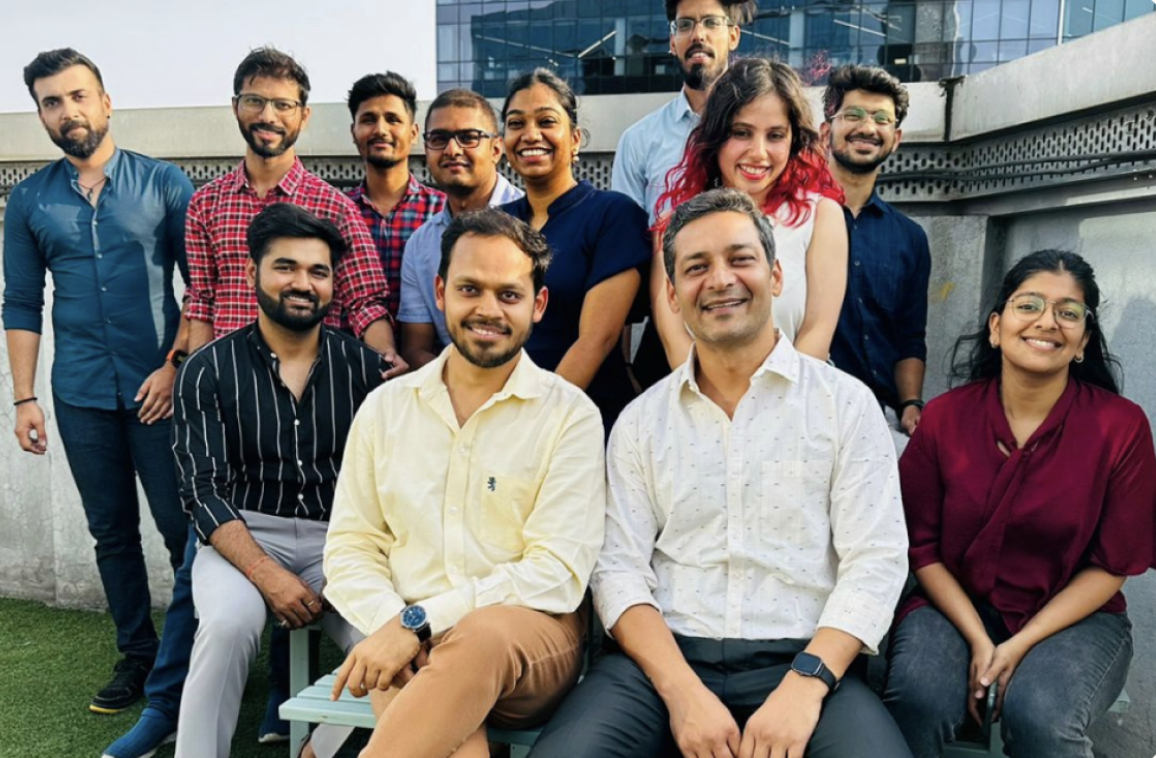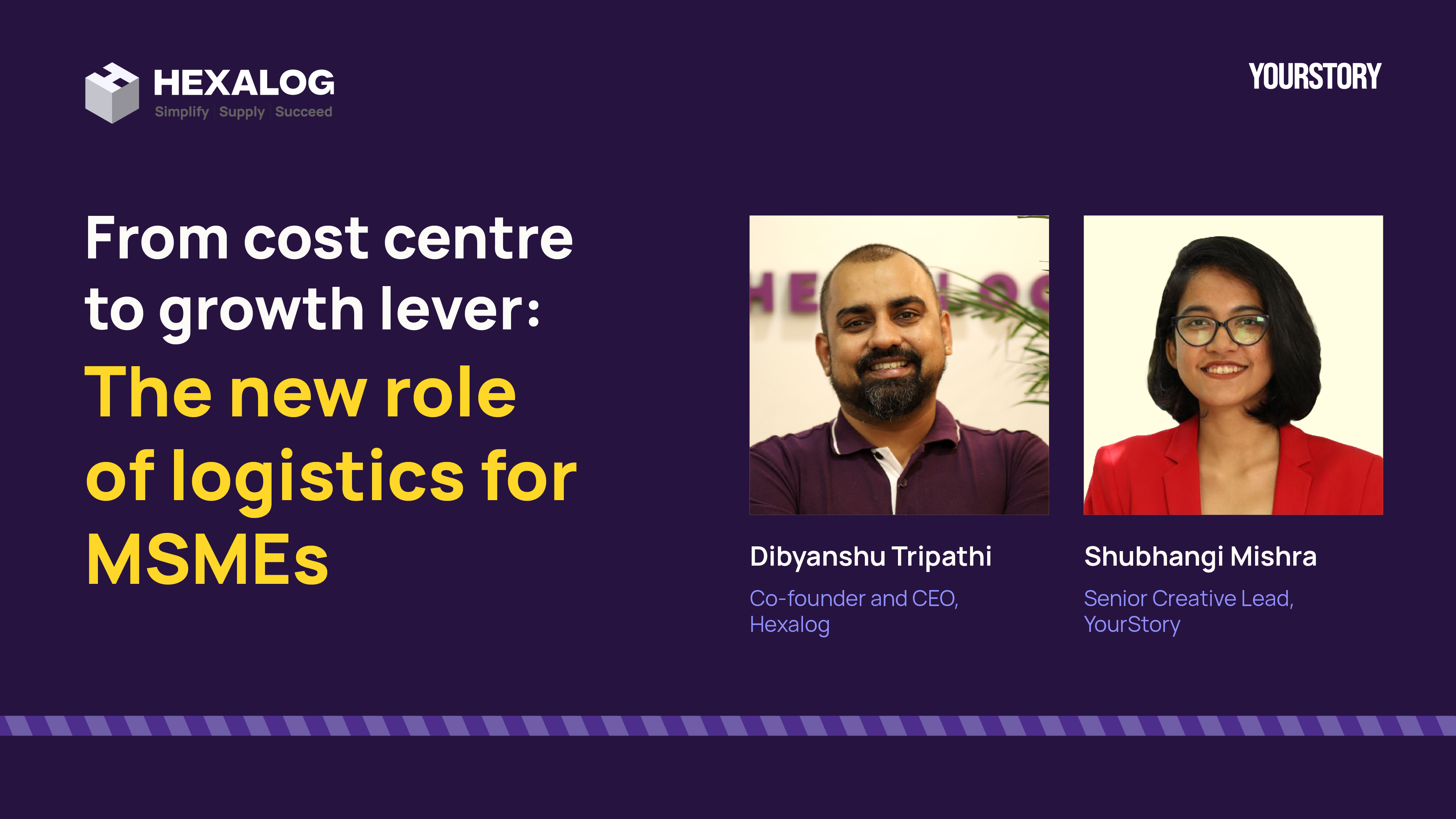
India's ecommerce boom has transformed logistics from a backend function into a business differentiator. As D2C brands and MSMEs expand beyond their home markets, supply chains now influence everything from customer experience and inventory management to working capital and international growth. Speaking with Shubhangi Mishra, Senior Creative Lead at YourStory, Dibyanshu Tripathi, Co-founder and CEO ofHexalog, reflects on how this shift has reshaped logistics over the past decade. He also explains why better coordination across the supply chain, not just faster movement of goods, is helping smaller businesses compete globally. Tripathi entered the logistics industry in 2017, when India's ecommerce ecosystem processed nearly five million orders. Over the next seven years, that number grew fourfold. As businesses began serving customers across geographies, logistics evolved from an operational function into a key part of how brands scale and serve customers. Today, through Hexalog, Tripathi is helping D2C brands and MSMEs navigate cross-border commerce with enterprise-grade logistics orchestration, allowing businesses to focus on building products while the company manages the operational complexity behind global trade. Hexalog's founders spotted an opportunity as ecommerce matured. Manufacturing hubs were emerging in places not traditionally associated with production, while Indian sellers increasingly sourced products from countries such as China, Vietnam, and Thailand before selling them on online marketplaces. The founders believed the next step was to help Indian businesses take their own products to global markets. The founding team, Dibyanshu Tripathi, Co-founder and CEO; Utkarsh Tripathi, Co-founder and Chief Operating Officer; Vineet Malik, Co-founder and Chief Customs Officer; and Shobhit Singh, Co-founder and Chief Product & Technology Officer, brought together expertise across customs compliance, international operations, product development, and sales. Rather than building technology first, they chose to understand customer operations. "We were cooped up in a room, and we were whiteboarding it, and we realized that do we build a product first, or do we start operating first? So technically our first product was a Google Sheet. We would actually orchestrate this entire end-to-end journey on a Google Sheet," Tripathi says. Today, Hexalog helps D2C brands and MSMEs build enterprise-grade supply chains through cross-border logistics orchestration. That early, operations-first approach continues to shape the company. Instead of building technology in isolation, it designed workflows around customer pain points before digitising them. Tripathi believes logistics should not be viewed only as an operational expense. Efficient supply chains improve working capital by reducing the amount of capital tied up in inventory and inefficient operations. In his view, once logistics improves working capital efficiency, it becomes a driver of business gro