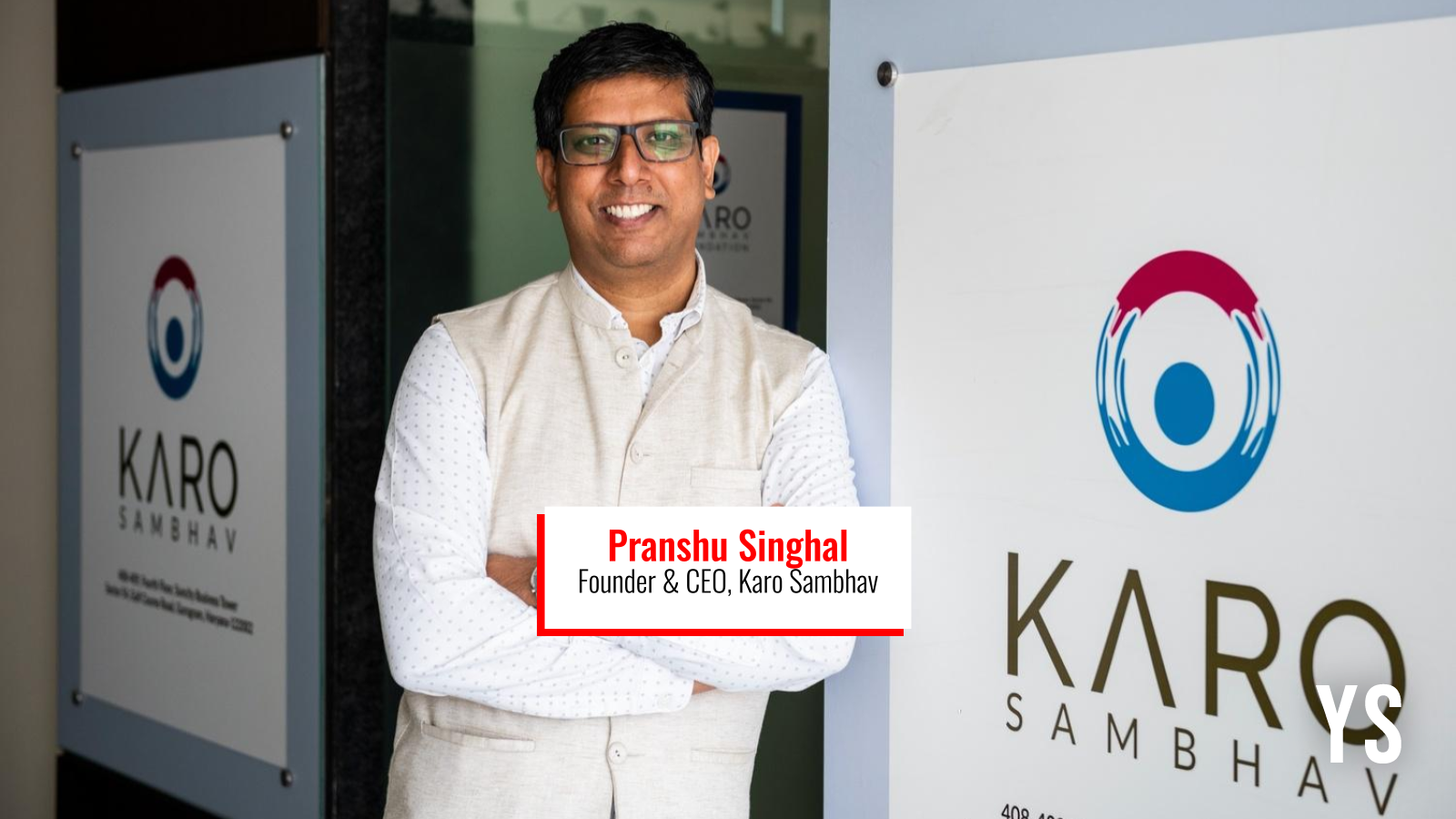
Karo Sambhav, a circular economy and recycling company focused on recovering value from end-of-life products, has raised Rs 56 crore in a pre-Series A funding round from Rainmatter, the sustainability and climate-focused investment initiative backed by Zerodha. The fresh capital will be used to expand Karo Sambhav’s recycling infrastructure and strengthen its ability to recover critical, precious and high-value materials from discarded products, particularly electronic waste or e-waste. These materials include metals and minerals that are essential for manufacturing electronics, batteries, clean-energy technologies and advanced industrial equipment. According to the company, its immediate focus will be on e-waste because it contains substantial quantities of recoverable metals and components, while future infrastructure will also support other waste streams. Founded in 2017, Karo Sambhav operates two recycling facilities. It claims to have collection networks in more than 50 Indian cities and says it has channelled over 150,000 metric tonnes of waste into responsible recycling processes. Its operations span e-waste, batteries, glass and other end-of-life materials, supported by a technology platform designed to improve transparency and traceability throughout the recycling chain. Explaining the rationale behind the investment, Viraj Joshi, Vice President at Zerodha and Rainmatter, said Rainmatter supports organisations developing long-term solutions for climate resilience and resource efficiency. Joshi noted that Karo Sambhav has demonstrated “patient execution and systems-level impact” in a sector that remains challenging and fragmented. He added that the company is now positioned to scale infrastructure for critical material recovery and circular manufacturing in India. The funding comes at a time when access to critical minerals has become a strategic priority for India. Materials such as lithium, cobalt, nickel, graphite and rare earth elements are crucial for batteries, electric vehicles, renewable energy systems, defence equipment and digital infrastructure. Recovering these materials from waste streams can reduce dependence on imports while strengthening domestic supply chains. Karo Sambhav’s planned infrastructure has already received eligibility status under the Incentive Scheme for Promotion of Critical Mineral Recycling, a programme launched under the National Critical Mineral Mission. The scheme, backed by a Rs 1,500 crore government outlay, aims to build domestic recycling capacity for critical minerals recovered from e-waste, battery waste and industrial scrap. Pranshu Singhal, Founder and Chief Executive of Karo Sambhav, said India’s manufacturing ambitions will require dependable access to critical and high-value materials. He noted that many of these resources already exist in products that have reached the end of their useful lives. The opportunity is substantial. India is the world’s third-largest generator of e-waste, producin