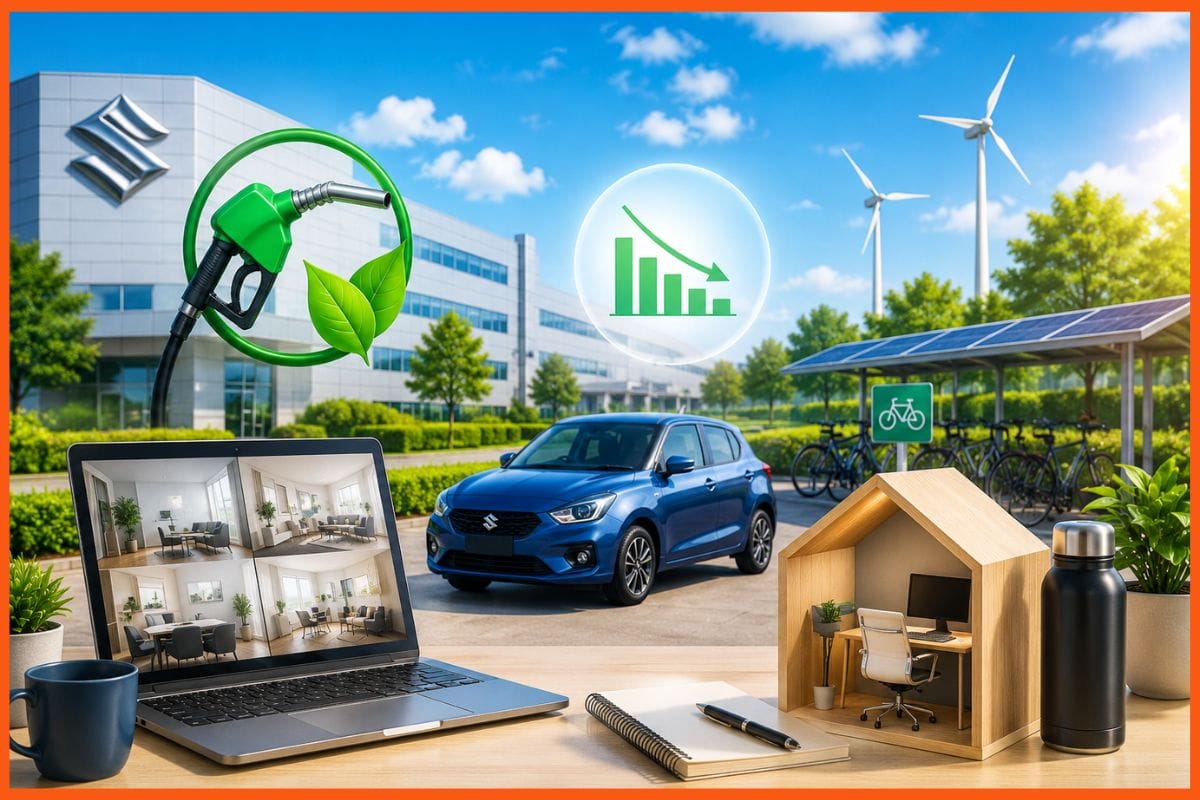
Restrictions on domestic and international travel, as well as work-from-home arrangements, were announced by Maruti Suzuki India (MSIL) on May 26. In addition, in light of the continuing conflict in West Asia, the corporation has pushed for energy-saving measures in the workplace and the residences of its employees, as well as for carpooling and public transportation. According to the company's annual report, MSIL has 19,966 regular employees and 33,811 non-regular employees as of March 31, 2025. In a social media post, MSIL emphasised how crucial it was to address the long-term effects of the West Asia war and the Prime Minister's clarion call for restraint. According to the company's statement, companies should keep running as efficiently and productively as possible in both normal and crisis situations. Further, both the company's and the country's long-term viability depend on cutting down on wasteful fuel use and improving operational procedures, the brand added. According to the MSIL, this is a great chance to take stock of everything that it does as a company and figure out how to make it more efficient. These steps are being taken as businesses across all sectors are keeping a careful eye on the financial effects of the geopolitical unrest in West Asia, especially as it pertains to the world's energy markets and supply networks. Since India is still a major importer of crude oil, its companies are quite vulnerable to changes in fuel costs and interruptions in global energy supply. Transportation and operating expenses for industries reliant on mobility and logistics could rise if regional instability persists for an extended period of time, according to analysts. The operating economics, consumer purchasing habits, and demand for vehicles are all affected by the volatility of fuel prices, which in turn affects the bottom line of automobile manufacturers. Companies are increasingly integrating sustainability and business continuity strategies with cost-control initiatives, according to industry watchers. 1.India’s heavy dependence on imported crude oil means conflicts in oil-producing regions can quickly affect domestic industries. 2.The move highlights how fuel price volatility can impact automobile manufacturers not only through sales but also through operational costs. 3.Analysts believe prolonged geopolitical tensions in West Asia could reshape workplace policies across industries in India. During the initial stages of the COVID-19 epidemic, remote work culture was intensified. Hybrid work structures are becoming more popular as a means for businesses to achieve their overarching operational goals, such as reducing energy use and employee travel. In light of increasing global uncertainties and a heightened emphasis on efficiency, major firms are reevaluating working policies, as seen in Maruti Suzuki's latest action. More businesses may follow suit in the next months to control operational resilience and cost exposure in th
Related Stories
 Lam Research to invest Rs 10,000 Cr in India, set up first silicon component man
 Kissht parent OnEMI board approves Rs 832 crore preferential issue
 Taruwar Agro: Three Bihar Friends Built a Rs 2.5 Crore Business from Banana Wast
 Adidas Confirms Job Cuts at India Tech Hub, Nearly Half of Employees Affected