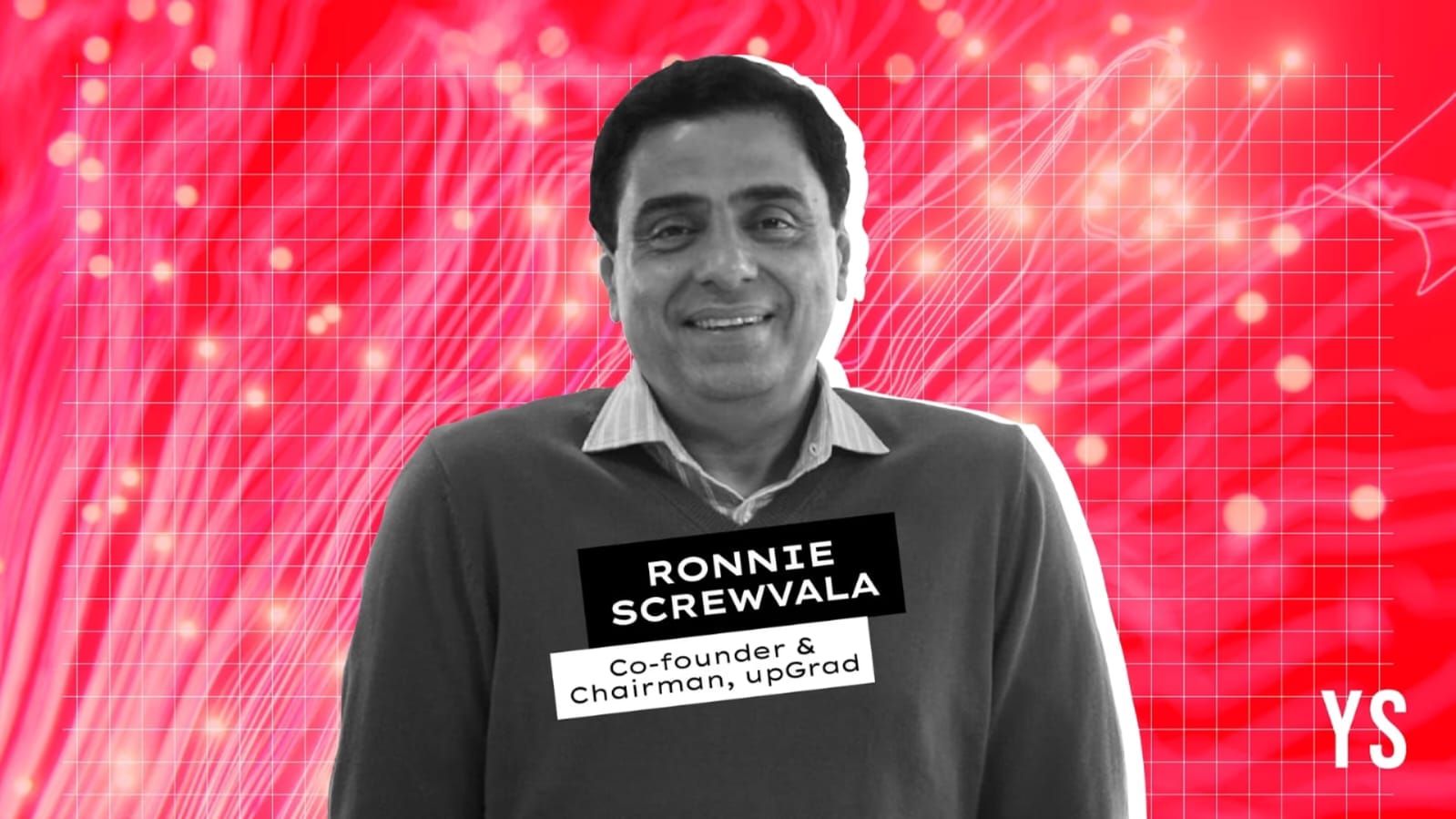
The Unacademy-upGrad acquisition may haveclosed in 2026 for $200 million, but Ronnie Screwvala said the story began six years earlier, when Gaurav Munjal walked into a meeting with an unusually bold proposal. Over lunch at Taj Lands End in Mumbai in 2020, Munjal approached Screwvala and Mayank Kumar about bringing Unacademy and upGrad together. His idea went further than a merger. Munjal wanted to run the combined company. Screwvala recalled the episode in a post marking the completion of the acquisition, describing Munjal as highly confident but also respectful of what both companies had built. “He came in proposing he could run the whole combined entity. Obviously, that wasn’t something we had in mind at that stage,” Screwvalawrote. What stayed with him, he said, was that Munjal was willing to approach a much larger business, speak openly about his ambitions and make the case for a combination. The idea was striking partly because both companies were still building very different businesses. Unacademy had emerged from an online education model centred on educators and competitive-exam preparation, while upGrad, founded in 2015 by Screwvala, Kumar and Phalgun Kompalli, was focused more heavily on higher education and professional learning. Screwvala had entered edtech with a belief that education could be a long-term, large-scale opportunity rather than simply another technology category. In 2020, industry estimates were already pointing to rapid growth in India’s online education market, driven by the pandemic as well as the longer-term shift towards digital learning. Unacademy was among the companies that benefited from this shift, raising capital and expanding its footprint in test preparation. By September that year, it had reached a valuation of about $1.5 billion. The two businesses did not combine then. Screwvala said they met again from time to time, with a more personal relationship developing. He even recalled Munjal turning up around 45 minutes late to some meetings, but said the encounters still reflected a mutual respect. “Relationships are built on mutual respect, trust and liking. And sometimes those relationships create the possibility of building something really Big,” Screwvala wrote. That relationship became commercially relevant again in July 2025. Screwvala noted Munjal got back in touch and openly discussed the crossroads Unacademy had reached. The circumstances were now very different. The exuberance that had defined edtech during the pandemic had faded, valuations had reset and companies were under greater pressure to demonstrate sustainable economics. This helps explain why the original 2020 conversation is more than an amusing piece of startup history. The attraction between the two businesses was based on a structural fit that remained relevant even after the market changed. upGrad brings depth in higher education, online degrees, professional learning and career development. Unacademy brings a large consumer education