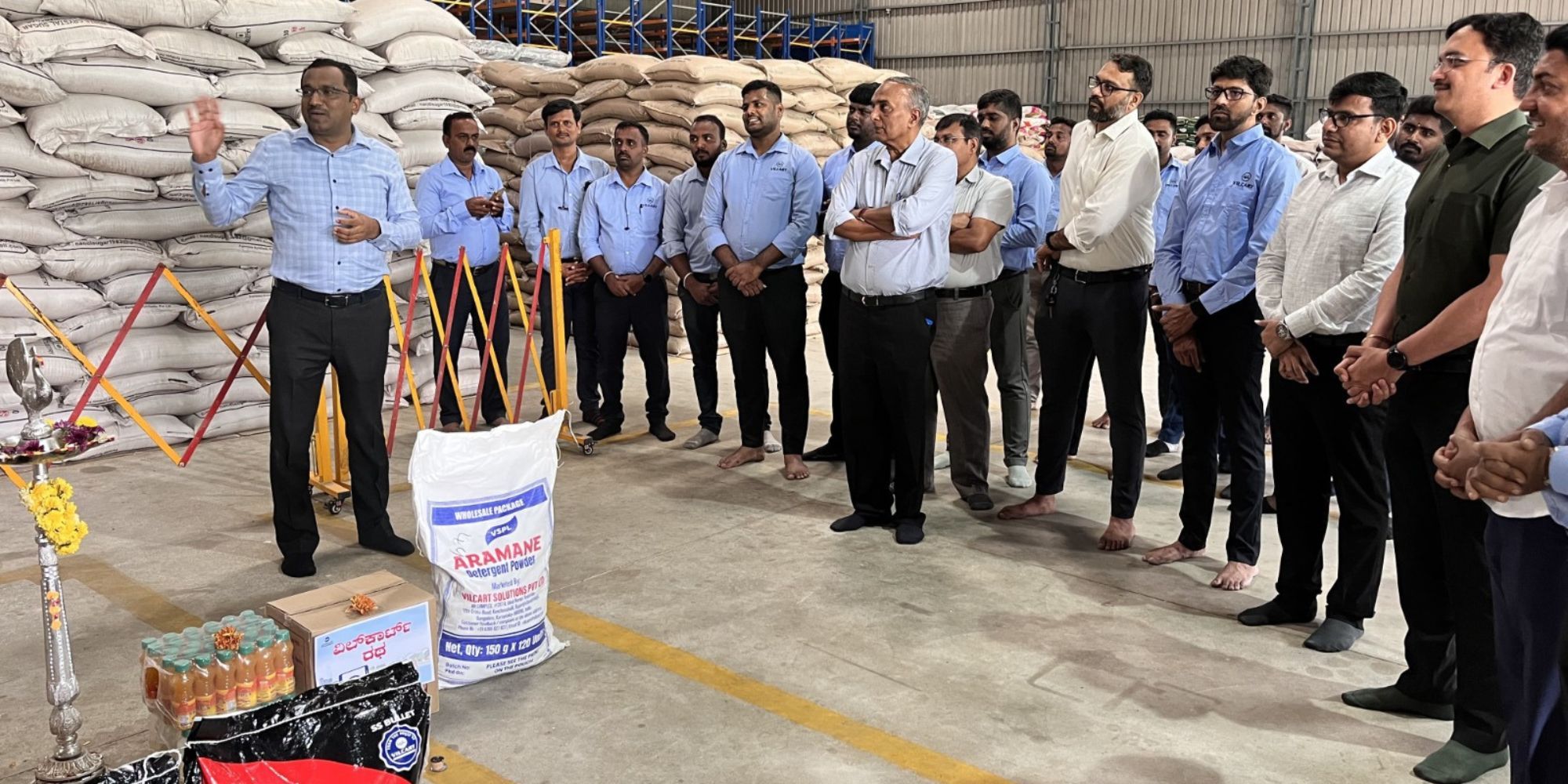
VilCart, a Bengaluru-based startup quietly stitching together one of India's largest kirana-led rural commerce networks, has reported revenue of Rs 1,176 crore for FY26. The company connects manufacturers, brands and farmer producer organisations directly to more than 1 lakh kirana stores across 30,000 villages in South India, and says it now reaches close to 16% of the region's rural population, touching the lives of over 2 crore people. The milestone matters because India's next big consumption wave is widely expected to come from Bharat, the smaller towns and villages that large e-commerce and quick-commerce players have struggled to serve profitably. Founded in 2018 by C. Prasanna Kumar, a chartered accountant from Mandya in Karnataka, VilCart was built around a simple but stubborn problem. Rural kirana stores have traditionally spent three to four days a month travelling to wholesale markets to restock, dealing with fragmented sourcing, limited product choice and high costs along the way. VilCart's answer is a tech-enabled B2B2C platform that routes goods from manufacturers and FPOs through its own supply chain to neighbourhood stores, which in turn serve rural consumers. The model is deliberately rural-first, designed for village conditions rather than borrowed from urban delivery playbooks. The Rs 1,176 crore figure is up from Rs 1,120 crore in FY25, and the company says it has grown revenue nearly 5.6 times over the past five years while staying relatively capital-light. VilCart currently works with more than 80,000 billed kirana stores across Karnataka, Tamil Nadu, Andhra Pradesh and Telangana, supported by a workforce of over 1,600 people handling hyperlocal execution. It promises a 24 to 48 hour delivery cycle, with a reported fulfilment rate of around 99%. The company says it has raised about $26 million so far, a modest figure relative to its revenue, which it points to as a sign of capital efficiency in a sector known for cash burn. A growing private-label business, backed by 43 registered trademarks, sits at the centre of its margin strategy. The wider backdrop makes VilCart's bet interesting. Even as quick-commerce apps reshape city shopping, reports suggest around 2 lakh kirana stores have shut nationwide, many of them in urban areas squeezed by ten-minute delivery. Rural retail, by contrast, remains largely untouched by that disruption and underserved by organised supply chains. Industry sources indicate VilCart's private-label share has climbed from roughly 5% of revenue a year ago to about 18%, helping it narrow operating losses as it inches towards profitability. "Rural India cannot be served through urban models. It needs rural-native innovation," Prasanna Kumar said, framing the company as an infrastructure layer rather than just a distributor or marketplace. The space is competitive, with players such as Jumbotail and others chasing the same rural retail opportunity. At its simplest, VilCart does not sell directly to villa