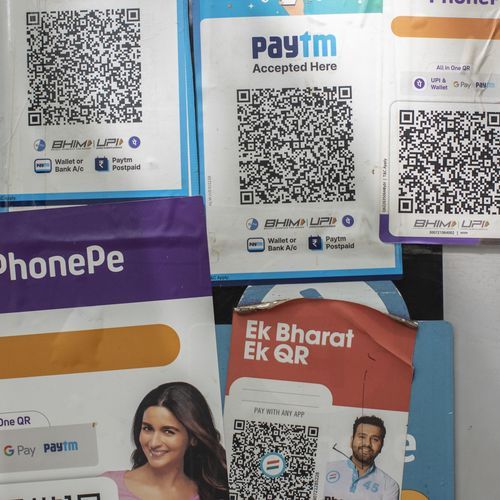
Cashfree Payments has spent the early months of 2026 pushing toward final payment aggregator authorisation from the Reserve Bank of India under a regulatory regime that looks almost nothing like the one the company operated under when it first launched its gateway business a decade ago. The final nod, when it comes, will matter less as a formality and more as a signal to enterprise merchants that the company has cleared a bar that has already forced smaller competitors out of the market entirely. Founded in Bengaluru in 2015 by Akash Sinha and Reeju Datta, Cashfree built a payment gateway and aggregation business for online merchants before expanding into payouts, identity and bank-account verification through its Cashfree Verification Suite, and more recently cross-border payment collection for exporters and freelancers. The company has drawn investment from Apis Partners and Y Combinator, and has counted the State Bank of India among its strategic partners, a relationship that has helped it navigate the compliance-heavy path toward full RBI authorisation. The competitive field has narrowed considerably. Razorpay and PayU remain the largest rivals in the enterprise payment-gateway segment, while smaller players like Instamojo have struggled to keep pace, and legacy aggregators CCAvenue and BillDesk have had to invest heavily in compliance infrastructure to meet the same standards. Several smaller payment aggregators have simply shut down or been absorbed by larger competitors after concluding they could not meet the RBI's escalating net-worth requirements, which rose from an initial fifteen crore rupees to twenty-five crore rupees as part of the central bank's push to consolidate an industry it judged too fragmented and too lightly supervised. The RBI's March 2020 payment aggregator and payment gateway guidelines, followed by repeated deadline extensions and escalating compliance demands around merchant KYC, escrow account management and data storage, effectively forced an entire generation of payment intermediaries to either professionalise their compliance functions or exit the business. The final authorisation list has moved slowly, creating years of uncertainty during which companies like Cashfree have had to keep operating and signing enterprise merchants under provisional in-principle approval rather than full licensed status, a limbo that larger corporate customers have increasingly flagged as a diligence concern. What to watch: the exact timeline for Cashfree's final PA authorisation to clear RBI's remaining review, whether any further consolidation occurs among the smaller aggregators still awaiting licensing decisions, and how enterprise merchant win-rates shift once full authorisation removes the regulatory overhang from sales conversations.