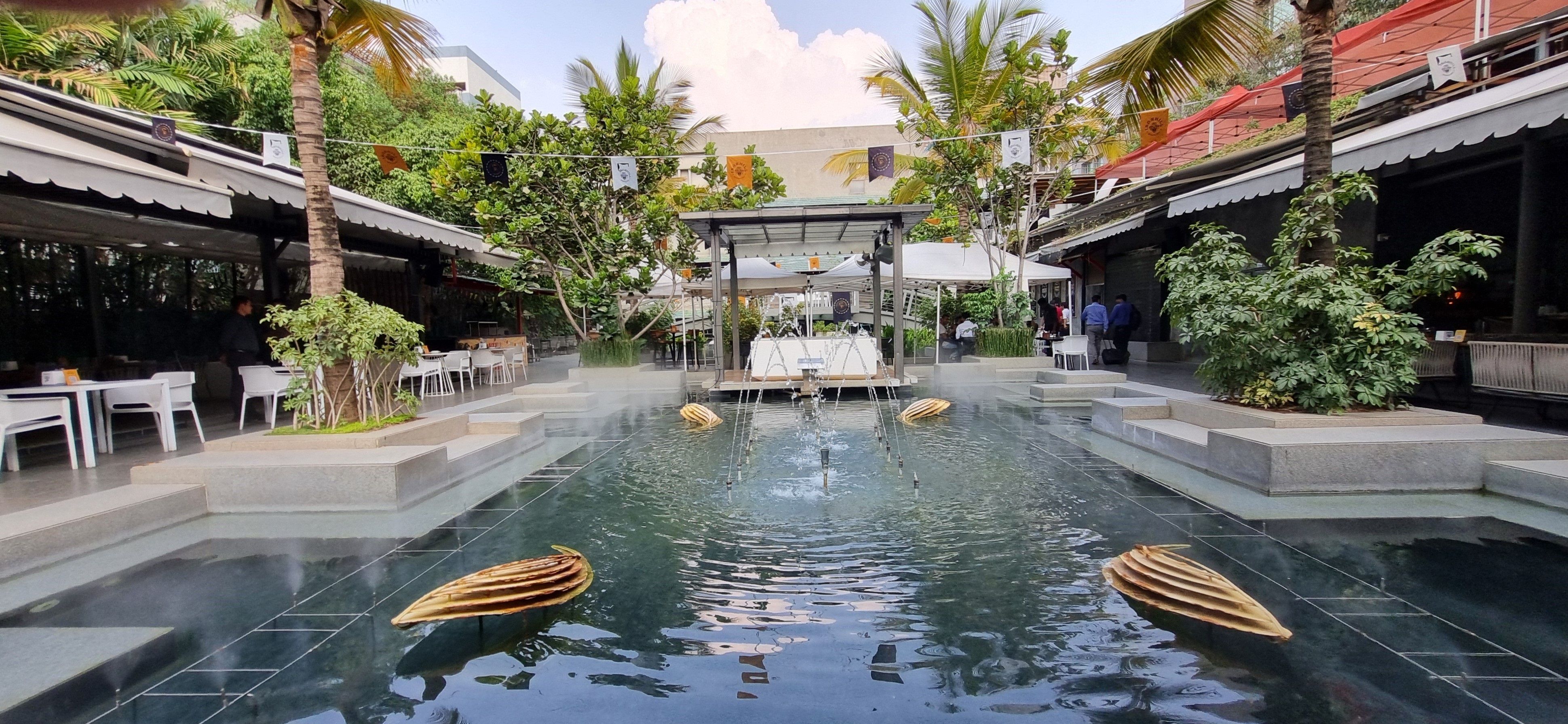
Launched in 2014,PhotoSparksis a weekly feature fromYourStory,with photographs that celebrate the spirit of creativity and innovation. In the earlier 990 posts, we featured anart festival,cartoon gallery.world music festival,telecom expo,millets fair,climate change expo,wildlife conference,startup festival,Diwali rangoli,andjazz festival. Food and drink pairings are one of the most creative and profitable tools in the hospitality sector. Effective pairings can transform meals and beverages from simple consumption into a curated experience. Flavours, aromas, textures, and temperatures can be made to interact to create something greater than either component alone. Classic combinations such as wine and cheese, or craft beer and barbecue, endure because they balance contrast and harmony. These interactions create sensory depth that diners remember long after the meal ends. Thoughtful pairings demonstrate expertise and intentionality. Guests feel guided through a journey rather than simply ordering separate items. Pairings can amplify hidden notes in both the food and beverage, creating surprise and delight. Pairing culture pushes chefs, chocolatiers, brewers, bartenders, and mixologists to collaborate. Modern restaurants, cafes and pubs are increasingly exploring unconventional combinations of the local and global, tradition and modernity. This creativity becomes part of an outlet’s identity and storytelling. Pairings and premium beverages often increase average spend while improving customer satisfaction. The rise of fermented teas, kombuchas, cold brews, botanical infusions, and specialty sodas are some examples of such trends. Microbreweries have a unique advantage here, thanks to their broad spectrum of flavours — from citrusy and floral IPAs to smoky stouts, sour ales, and crisp lagers. This diversity gives pubs enormous creative freedom when designing menus and experiences. This can be seen in IPA paired with spicy wings or kababs, stout with chocolate desserts, or lager with fried foods and pizza. Many pubs use pairings to celebrate local brews and regional ingredients. This strengthens community ties and creates a distinctive brand identity that cannot easily be replicated by mainstream establishments. Creative brands can elevate their offerings, attract curious customers, and create memorable social environments. A good example of this innovative pairing was witnessed recently in Bengaluru. The Ironhill India brewery and artisanal chocolate brand SMOOR recently announced the result of their unique collaboration: Cocoa Stout. It blends the complexity of craft beer with the richness of fine chocolate, balancing bitterness with sweetness, and familiarity with discovery. The collaboration reflects a celebration of flavour, craftsmanship and chemistry. “People have often paired alcohol and food, like wine and cheese. I think chocolate with beer is also a terrific pairing. They naturally complement each other due to the fermentation in their proc
Related Stories
 Lam Research to invest Rs 10,000 Cr in India, set up first silicon component man
 Kissht parent OnEMI board approves Rs 832 crore preferential issue
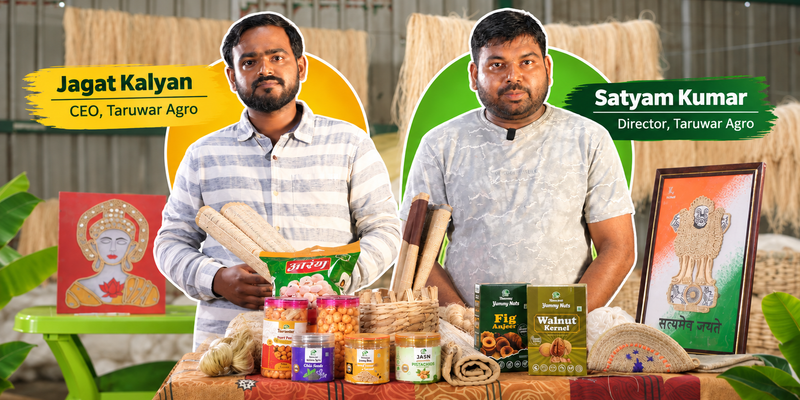 Taruwar Agro: Three Bihar Friends Built a Rs 2.5 Crore Business from Banana Wast
 Adidas Confirms Job Cuts at India Tech Hub, Nearly Half of Employees Affected