
Somewhere in your home right now is probably a product coloured by chemistry from a family-run company in Palghar, Maharashtra, most Indians have never heard of. Vipul Organics doesn't sell to consumers. It sells the pigments and dyes that give colour to paints, plastics, textiles, printing ink, cosmetics, and food, quietly, to manufacturers in more than 45 countries. The story begins in 1968, when Pravinchandra Shah started dealing in naphthol, fast colour bases, and dye intermediates, unglamorous, technical raw materials most people never think about because they never see the finished pigment itself, only the coloured product it ends up inside. In 1972 the trading operation was formally incorporated as Vipul Dye Chem, and manufacturing followed a few years later: the company built its first plant at Thane-Belapur in 1977 to make vat dyes for Bombay's textile mills. That first manufacturing chapter did not survive the decade. Production was suspended in 1984-85 as the Bombay textile strike gutted the customer base, and the company fell back on exports to stay alive. It restarted manufacturing at Palghar in 1991, with a single unit capable of 24 tonnes a year of Blue B Base, a modest reboot for what the company would eventually become. The real inflection point came in 1989, when Pravinchandra's son, Vipul Shah, joined the company after finishing his chemical engineering degree. Under his direction, the business expanded methodically: from dyes into fast salts, bases, and specialty chemicals, and eventually into pigments altogether, transforming a narrow dye-trading operation into a full-spectrum colour chemistry company. In 1995, it went public on the Bombay Stock Exchange. The name change to Vipul Organics Limited was recorded in mid-2016 and adopted publicly from 2017, a name that better reflected what the business had actually become. What's striking about Vipul Organics isn't a dramatic pivot or a viral moment, it's the steady, almost invisible scale it reached through decades of specialisation. The company now runs manufacturing operations at Palghar, Tarapur, and Ambernath in Maharashtra, with a new greenfield plant underway at Sayakha, Gujarat, and maintains a representative office in Delaware, USA. Exports account for roughly 70% of revenue, reaching customers across the Americas, Europe, Asia, and the Middle East and Africa. In FY 2025-26, the company reported standalone revenues of Rs 175.4 crore, up 7.7% from Rs 162.8 crore the previous year, with profit after tax rising 55.6% to Rs 6.92 crore, its strongest year to date. The company has also positioned itself on environmental credentials that matter increasingly to global buyers. In 2023 it received the OEKO-TEX ECO PASSPORT for its SunPrint pigment dispersion and SunActive reactive dye ranges for the textile industry, which carries ZDHC (Zero Discharge of Hazardous Chemicals) Level 3 status, the most stringent tier, requiring on-site assessment of chemical hazard management on top
Related Stories
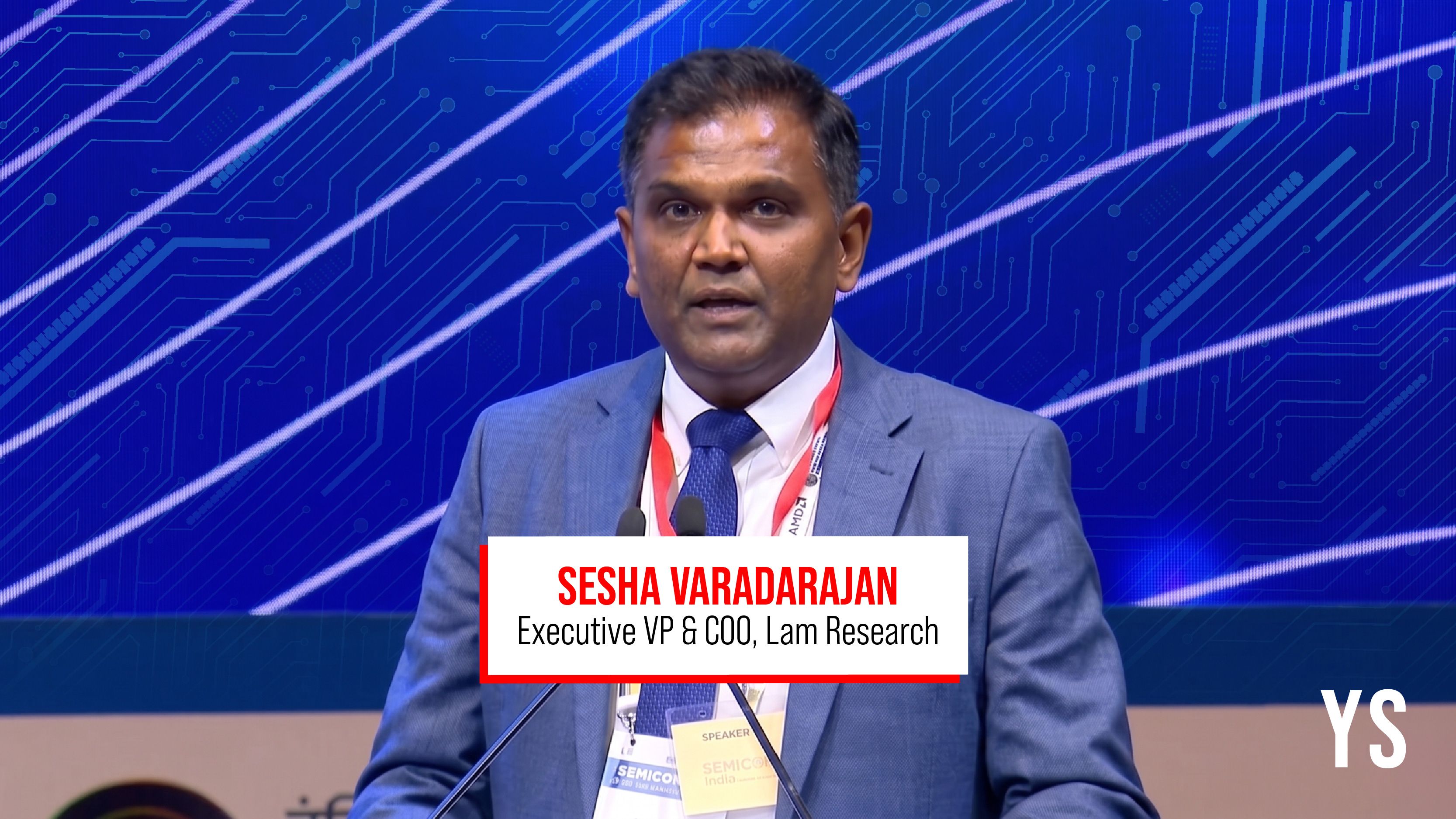 Lam Research to invest Rs 10,000 Cr in India, set up first silicon component man
 Kissht parent OnEMI board approves Rs 832 crore preferential issue
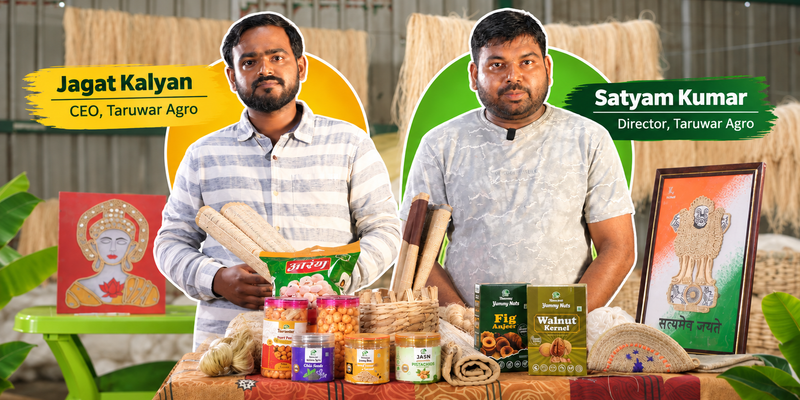 Taruwar Agro: Three Bihar Friends Built a Rs 2.5 Crore Business from Banana Wast
 Adidas Confirms Job Cuts at India Tech Hub, Nearly Half of Employees Affected