
Instacart's advertising and marketing-services segment growing into an increasingly dominant share of company profit, even as its underlying grocery-delivery order volume growth has moderated from its pandemic-era peak, has reshaped how the company presents itself to investors following the departure of former chief executive Fidji Simo to lead OpenAI's applications business in 2025. The leadership transition arrived at a pivotal moment: Instacart's advertising business, which sells promoted product placements, brand pages and data-driven insights to consumer packaged goods companies eager to reach grocery shoppers at the exact moment of purchase, now carries software-like margins that dwarf the thin, logistics-heavy economics of the delivery business that built the company's brand. Instacart, founded in 2012 by Apoorva Mehta after several other startup attempts, built its marketplace by partnering with grocery chains rather than owning warehouses, a capital-light model that let it scale delivery availability across thousands of stores quickly but that also left it structurally dependent on the retailers whose margins it shares. The advertising business solved a problem that had constrained Instacart's profitability for years: an order-based commission model in a low-margin category like groceries can only generate so much revenue per transaction, but a CPG brand's willingness to pay for shelf-equivalent visibility in a digital storefront has proven to have much higher ceiling, mirroring the retail-media playbook Amazon and Walmart have used to turn their marketplaces into advertising powerhouses. The competitive landscape for grocery delivery and retail media has intensified from multiple directions. DoorDash and Uber Eats have both pushed further into grocery and retail delivery beyond restaurants, competing directly for the same delivery volume Instacart depends on, while Amazon's Whole Foods integration and Walmart's own delivery and advertising infrastructure represent vertically integrated competitors that do not need to share margin with a third-party marketplace layer the way Instacart's retail partners do. Instacart's international ambitions have remained notably more conservative than DoorDash's aggressive global expansion, reflecting a strategic choice to deepen advertising monetisation and retailer partnerships within its core US and Canadian markets rather than chase geographic expansion into markets where its retailer-partnership model would need to be rebuilt from scratch against entrenched local grocery-delivery incumbents. That relative caution has drawn some investor scrutiny given DoorDash's growth narrative, even as it has arguably protected Instacart's margin profile. What to watch: how advertising revenue as a share of total gross profit trends under new leadership, whether Instacart eventually pursues international markets more aggressively or continues prioritising domestic advertising depth, and whether the retail-media category faces any regulatory scrutiny over data usage and the blurred line between organic search results and paid product placement.
Related Stories
 Lam Research to invest Rs 10,000 Cr in India, set up first silicon component man
 Kissht parent OnEMI board approves Rs 832 crore preferential issue
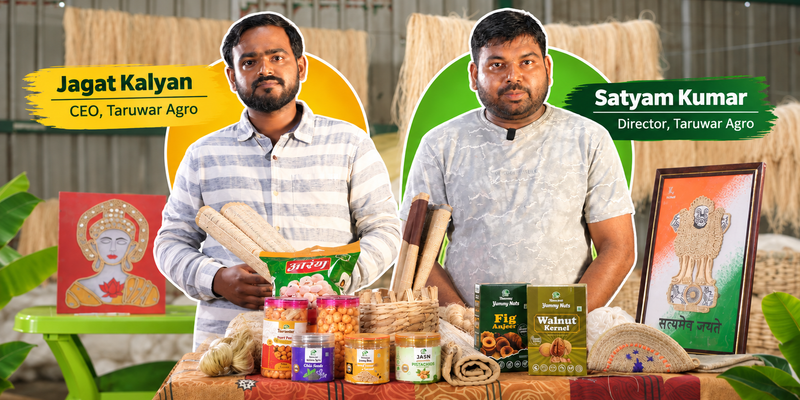 Taruwar Agro: Three Bihar Friends Built a Rs 2.5 Crore Business from Banana Wast
 Adidas Confirms Job Cuts at India Tech Hub, Nearly Half of Employees Affected