
PB Fintech's latest investor update, in which the parent of Policybazaar and Paisabazaar disclosed that credit distribution now accounts for a rising share of its incremental revenue, marks a subtle but important shift in how India's largest listed insurtech talks about its own business. For years the company's public narrative was built almost entirely around insurance premium volumes - the number of policies sold through Policybazaar, the mix between motor, health and life, and the slow climb toward the profitability that finally arrived in FY23. Lending, run through the Paisabazaar brand, was treated as a useful but secondary distribution arm bolted onto the insurance engine. That framing is changing, and the reasons why say as much about the state of Indian consumer credit as they do about PB Fintech's own strategy. Yashish Dahiya, Alok Bansal and Avaneesh Nirjar built Policybazaar starting in 2008 on a simple insight: insurance in India was sold, not bought, and a comparison-shopping interface could flip that dynamic for a category with genuinely comparable, price-sensitive products like term life and motor cover. Paisabazaar extended the same aggregator logic to loans and credit cards. The company went public in November 2021 at a valuation that its stock took roughly two years to grow back into, before a sustained run of insurance premium growth and disciplined cost control pushed it to durable profitability. PB Fintech has since layered on PB Partners, an agent network for offline distribution in smaller towns, and a health-insurance-focused subsidiary that pushes further into underwriting-adjacent territory than a pure aggregator typically goes. The competitive set differs sharply by vertical. In insurance distribution, Policybazaar faces Turtlemint's agent-led model, the direct-to-consumer positioning of Ditto Insurance and InsuranceDekho's aggressive push into Tier-2 and Tier-3 markets, alongside the traditional bancassurance and individual-agent channels that still move the majority of premium in India. In lending distribution, Paisabazaar competes with BankBazaar and a long tail of digital lending marketplaces, all of whom are exposed to the same credit cycle that determines how much banks and NBFCs are willing to lend through third-party channels rather than their own branches and apps. The regulatory backdrop explains much of the pivot's timing. The Reserve Bank of India's November 2023 increase in risk weights on unsecured consumer credit and on bank lending to NBFCs choked off disbursal volumes across every digital lending distribution platform, Paisabazaar included, through most of FY24. At the same time, IRDAI's 2024 reforms on commission caps and surrender-value norms compressed the economics of traditional insurance distribution, narrowing the margin advantage that aggregators like Policybazaar had enjoyed. As banks rebuilt risk appetite through 2025 and unsecured retail credit growth resumed, lending referrals became the more capital-light, higher-incremental-margin line of business relative to an insurance segment now operating under tighter commission ceilings - a genuine reallocation of where PB Fintech's management sees the best marginal return on sales and marketing spend. What to watch: whether credit distribution revenue formally overtakes insurance premium-linked revenue as PB Fintech's largest single contributor within the next two reporting cycles, how IRDAI's evolving commission architecture affects Policybazaar's core unit economics relative to InsuranceDekho and Turtlemint, and whether PB Fintech's own moves toward insurance underwriting create channel conflict with the very insurers whose products it distributes.
Related Stories
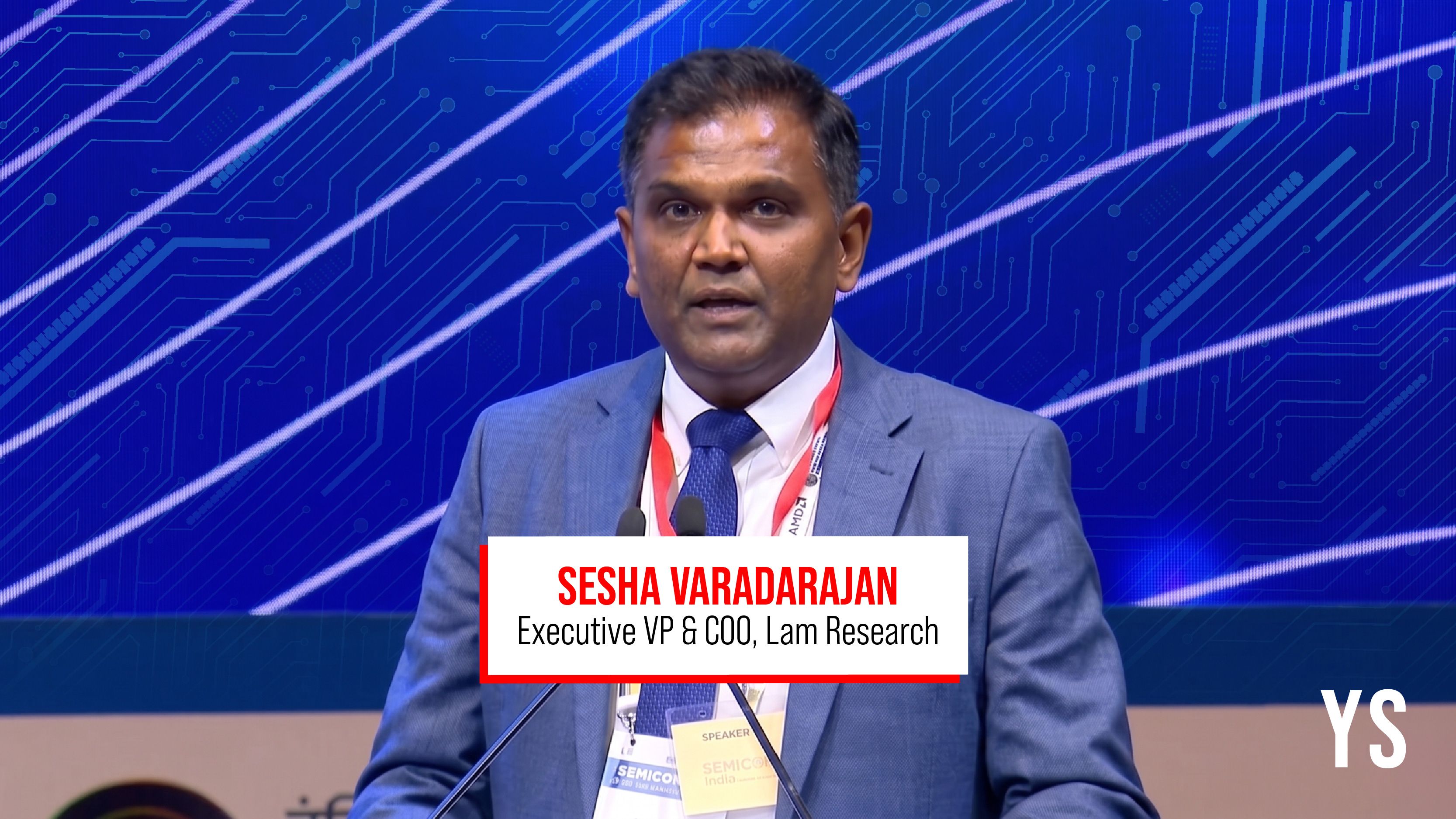 Lam Research to invest Rs 10,000 Cr in India, set up first silicon component man
 Kissht parent OnEMI board approves Rs 832 crore preferential issue
 Taruwar Agro: Three Bihar Friends Built a Rs 2.5 Crore Business from Banana Wast
 Adidas Confirms Job Cuts at India Tech Hub, Nearly Half of Employees Affected